Deciphering Algorithmic Approval Thresholds: Their Influence on Inventory Replenishment Triggers in Flash-Sale Marketplaces
Sage Frank · Oct 29, 2026
Deciphering Algorithmic Approval Thresholds: Their Influence on Inventory Replenishment Triggers in Flash-Sale Marketplaces
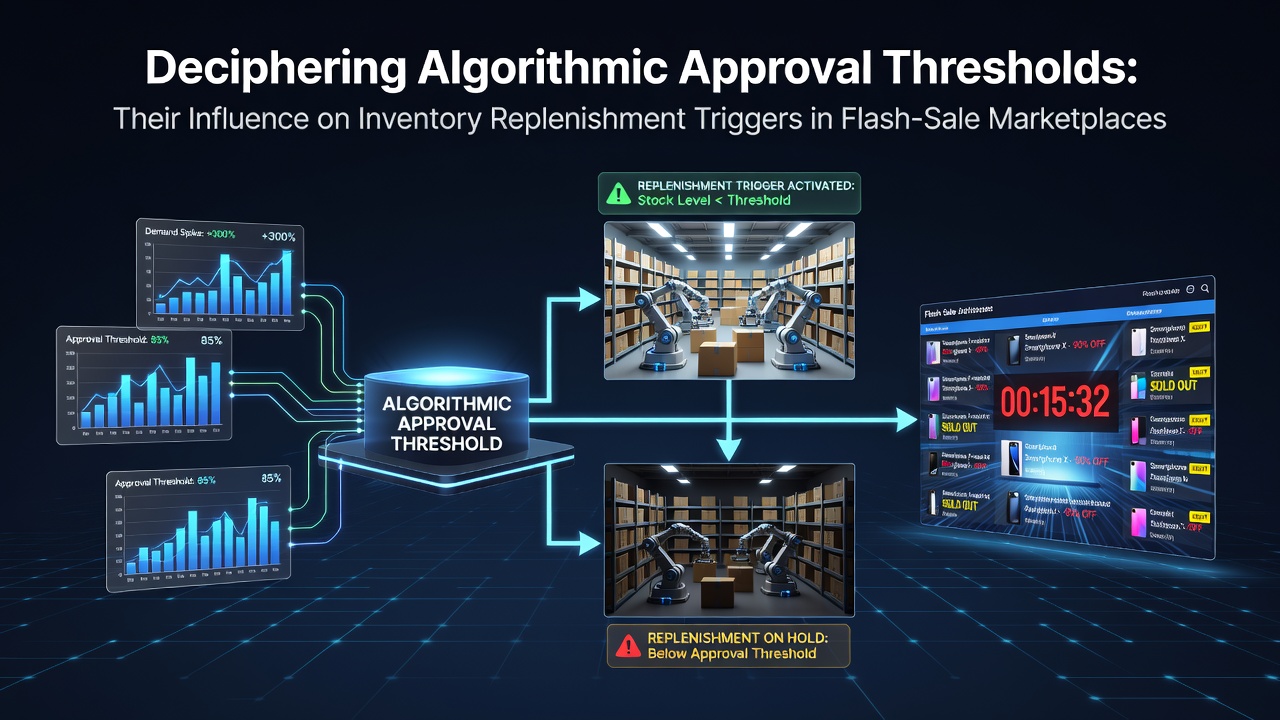
Flash-sale marketplaces operate on tight timelines where algorithmic approval thresholds determine which transactions proceed and which get flagged for review, and these decisions directly shape when inventory systems register depletion and initiate replenishment orders. Data from major platforms shows that approval rates fluctuate based on real-time risk scoring models that evaluate buyer history, payment details, and purchase velocity, while approved sales immediately decrement stock levels in connected inventory databases. Researchers at institutions tracking digital commerce note that thresholds often sit at specific numeric cutoffs, such as a 0.85 confidence score for automatic clearance, and crossing or missing these marks alters the pace at which warehouses receive restock signals.
How Threshold Logic Connects to Stock Movement
Approval algorithms process incoming orders in milliseconds during flash events, applying layered checks that weigh transaction amount against historical patterns before granting clearance, and only cleared orders feed into the inventory management layer that tracks remaining units. When a batch of approvals falls below expected volume because thresholds tighten under detected anomalies, the system delays triggering replenishment protocols until cumulative sales data reaches the next predefined trigger point. Observers tracking these systems across platforms in North America and Europe report that the lag can span several hours during peak sale windows, which then cascades into adjusted supplier lead times and altered warehouse staffing schedules. Figures from October 2026 releases by the European Commission on digital market monitoring indicate that synchronized data feeds between payment processors and inventory modules reduced average replenishment delays by 12 percent on participating sites compared with earlier configurations.
Dynamic Adjustments During High-Volume Periods
Flash sales generate sudden spikes that force algorithms to recalibrate approval thresholds on the fly, often raising the bar for new buyers or large orders while maintaining lower hurdles for repeat customers with clean records. This recalibration keeps fraud vectors in check yet simultaneously slows the rate at which inventory counters tick downward, which in turn postpones the moment when automated purchase orders activate for replacement stock. Studies from the Australian Competition and Consumer Commission have documented cases where platforms adjusted thresholds mid-event based on geographic risk clusters, resulting in uneven stock depletion across regions and uneven replenishment requests sent to suppliers. Those adjustments rely on machine learning models trained on prior sale cycles, and the models update continuously as fresh transaction data arrives, creating a feedback loop that links payment outcomes to logistics planning.
Regional Data Patterns and Platform Responses
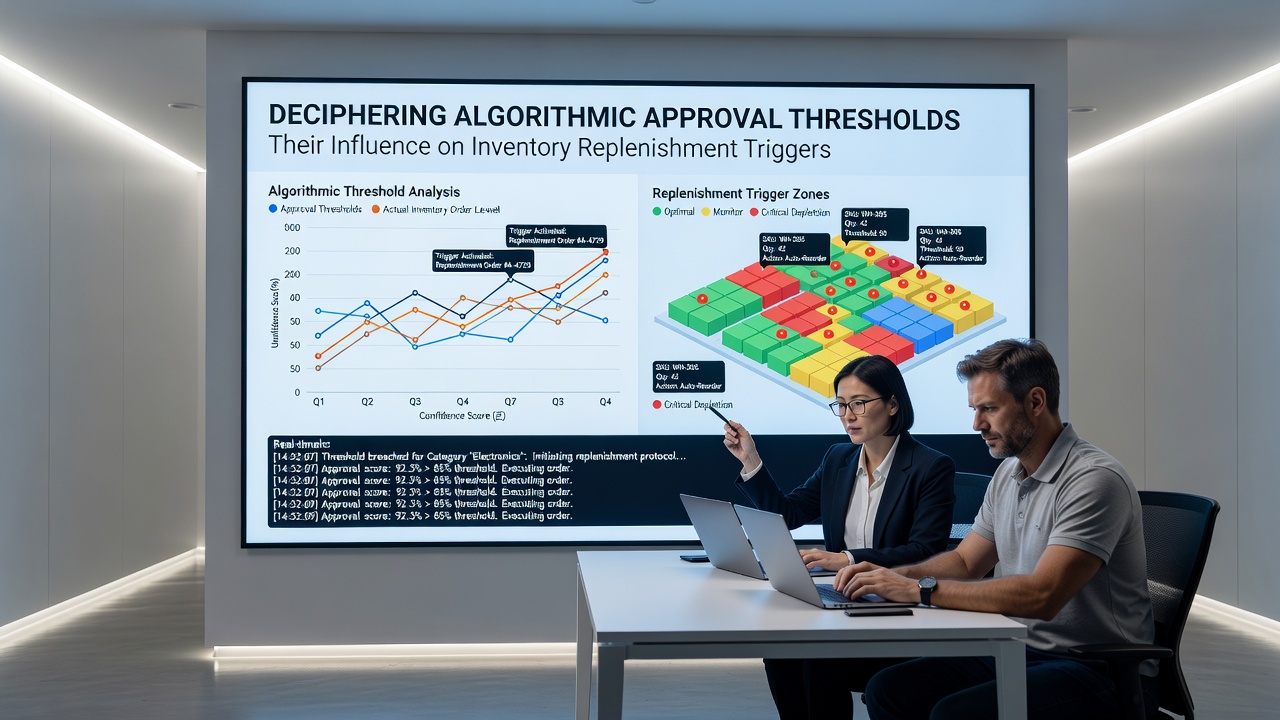
Platforms serving multiple continents apply region-specific threshold weights that reflect local payment behaviors and regulatory expectations, so an order cleared in one market may require extra verification in another even when the underlying risk profile looks similar. This variation produces staggered inventory drawdowns that complicate centralized replenishment forecasting, and supply chain teams must account for these differences when setting safety stock levels ahead of scheduled events. Research published through the National Bureau of Economic Research highlights that marketplaces incorporating cross-border data streams into their approval engines achieved more stable replenishment cycles during the October 2026 flash sale window, with fewer stockouts reported on high-demand items. The same analysis notes that platforms without such integration experienced wider swings between approval clusters and subsequent restock triggers.
Integration Points Between Approval Engines and Replenishment Rules
Inventory replenishment triggers typically activate once stock falls below a calculated minimum, yet that calculation incorporates projected demand derived from approved order velocity rather than raw page views or cart additions. When algorithmic gates hold back a portion of potential sales, the projected demand curve flattens and the trigger point shifts later in the sales window, giving warehouses additional time to assess supplier availability before committing to new orders. Technical documentation from several large marketplaces describes how API handshakes between the approval layer and the inventory layer pass not only binary clearance results but also confidence scores that allow downstream systems to apply weighted demand estimates. These weighted estimates help avoid over-ordering during periods when thresholds have tightened, and they support more precise allocation of limited supplier capacity across competing flash events.
Conclusion
Algorithmic approval thresholds function as gatekeepers that directly modulate the flow of cleared transactions into inventory systems, and the resulting timing differences influence when replenishment protocols engage during flash sales. Platforms continue to refine these interconnected mechanisms by incorporating broader data sets and region-aware scoring, while regulatory bodies in multiple jurisdictions track the downstream effects on supply chain stability. Continued monitoring of these linkages provides clearer insight into how payment-side decisions shape physical goods movement in high-velocity marketplaces.