Harmonizing Patron Support Cycles with Supplier Deductions in Sustainable Craft Collectives
Jakob Klein · Oct 1, 2026
Harmonizing Patron Support Cycles with Supplier Deductions in Sustainable Craft Collectives
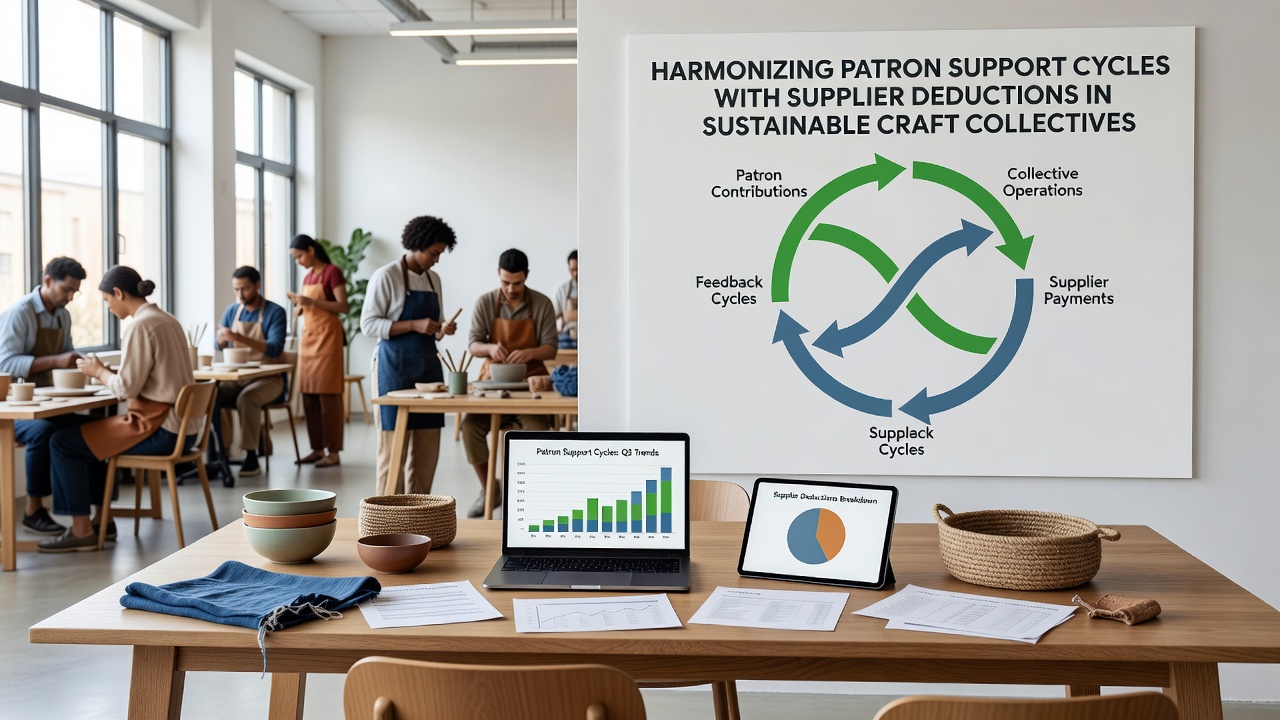
Patron support cycles in sustainable craft collectives refer to recurring contribution patterns where supporters commit monthly or quarterly funds to back artisan groups focused on eco-friendly materials and ethical production methods, while supplier deductions involve scheduled withdrawals that cover raw material purchases and logistics fees from those same incoming streams. Observers note that alignment between these two flows reduces cash flow gaps, particularly when collectives operate across multiple regions with varying payment processing windows. Data from cooperative networks shows that groups managing both elements together achieve steadier inventory levels, since incoming patron pledges arrive on predictable dates that can offset outgoing supplier obligations without external borrowing.
Core Mechanics of Cycle Alignment
Collectives structure patron pledges through automated platforms that trigger on the first or fifteenth of each month, and they match these inflows against supplier contracts that deduct fixed percentages on the same schedule or shortly thereafter. Research indicates that synchronization relies on shared ledger systems where each patron cycle feeds directly into deduction queues, allowing administrators to adjust timing buffers when seasonal demand shifts occur. In October 2026, updates to cross-border cooperative reporting standards required collectives in several jurisdictions to log these matched cycles with greater detail, which in turn prompted wider adoption of encrypted batch protocols that link patron receipts to supplier payouts within 48 hours.
Those who manage such systems often map out patron renewal dates against supplier lead times, creating calendars that flag potential shortfalls weeks ahead. One documented case involved a Pacific Northwest collective that linked its 320 active patron accounts to three primary suppliers of organic dyes and reclaimed wood, resulting in deduction accuracy rates above 94 percent after the first year of coordinated scheduling. Figures reveal that mismatches drop significantly when collectives incorporate verification steps at each cycle junction, such as confirming patron payment confirmations before releasing supplier deduction batches.
Operational Practices Across Regions
European collectives frequently integrate these processes with regional social economy frameworks that emphasize transparent fund flows, whereas North American groups tend to emphasize flexibility for seasonal craft fairs and online sales spikes. According to the Government of Canada cooperative development resources, aligned deduction models help smaller artisan networks maintain compliance with multi-province supplier agreements while preserving patron trust through consistent delivery timelines. Collectives in Australia and New Zealand have adopted similar approaches, using centralized dashboards that display both patron cycle forecasts and supplier deduction projections side by side.
Implementation typically begins with an audit of existing patron renewal patterns, followed by negotiation of supplier contracts that allow staggered deduction dates within a 10-day window. This setup accommodates delays common in international shipping of sustainable fibers and pigments. Experts have observed that collectives employing this method report fewer instances of overdraft fees, since incoming patron support directly offsets scheduled outflows without requiring manual transfers each period.
Technology Integration and Reporting Standards
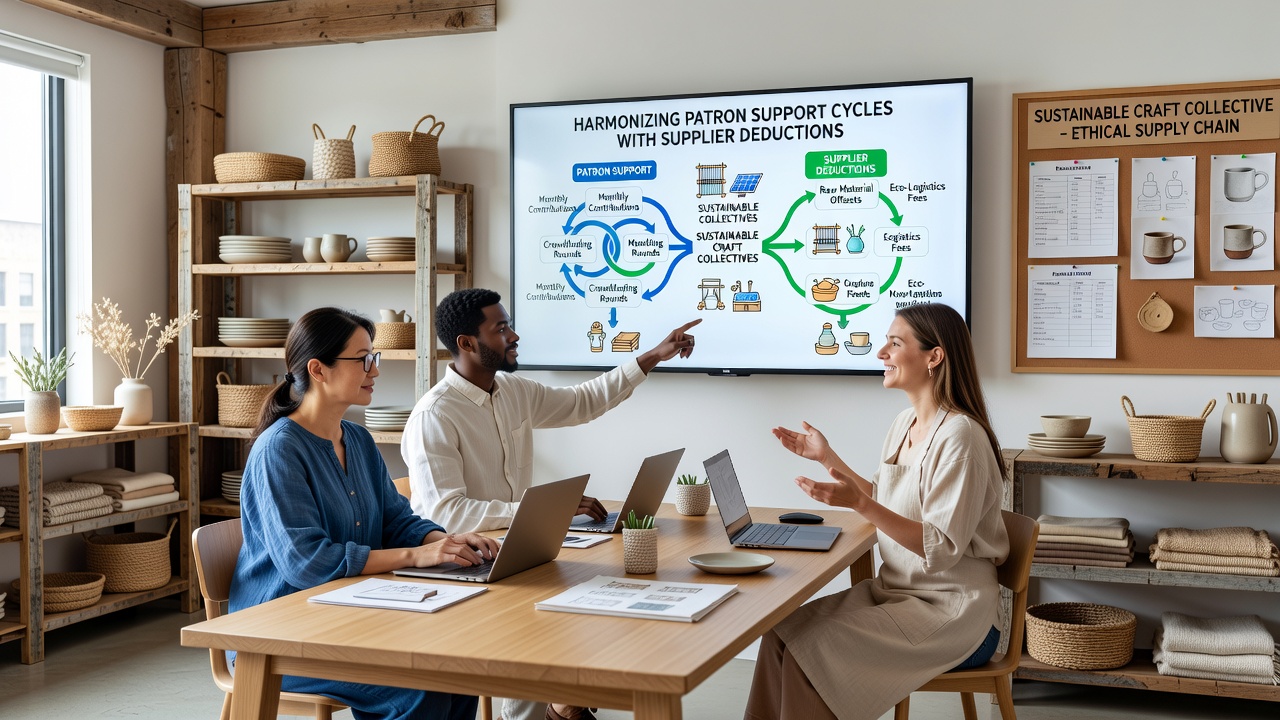
Many collectives now rely on integrated software that pulls patron subscription data into the same interface used for supplier account management, creating a single view of net cash positions at any point in the cycle. These platforms automatically flag when projected patron inflows fall below upcoming deduction amounts, prompting early outreach to supporters or renegotiation of supplier terms. Studies from cooperative research centers show that such tools reduce administrative hours by roughly 30 percent compared with separate tracking systems, because reconciliation happens in real time rather than at month-end.
Regulatory developments in October 2026 further encouraged adoption of standardized reporting formats that document how patron cycles feed supplier deductions, particularly for collectives claiming sustainability certifications. These formats require timestamped records of each matched transaction, which helps external auditors verify that funds flow as intended without diversion. Collectives that adopted the formats early found they could demonstrate compliance more readily during renewal periods for grants and certifications.
Challenges in Maintaining Synchronization
Despite the benefits, timing variances arise when patron payments experience processing delays across different payment rails or when supplier invoices arrive with unexpected surcharges for material shortages. Collectives address these by maintaining small reserve pools funded from prior cycle surpluses, sized to cover two to three days of typical deductions. Data compiled by industry associations indicates that groups with reserves experience 40 percent fewer interruptions in material supply compared with those operating without buffers.
Another recurring issue involves currency fluctuations in collectives that source materials internationally, since patron contributions often arrive in local denominations while supplier deductions may be denominated in foreign currencies. Automated hedging features within some platforms help offset these swings by locking in exchange rates at the start of each cycle. Those who've studied these operations note that collectives incorporating hedging report more predictable net margins across quarters.
Conclusion
Harmonizing patron support cycles with supplier deductions allows sustainable craft collectives to operate with greater financial predictability, as incoming recurring contributions directly support outgoing material costs on aligned schedules. Practices documented across multiple regions demonstrate that shared ledger systems, reserve buffers, and updated reporting standards contribute to fewer cash flow disruptions. As collectives continue refining these approaches, the focus remains on maintaining transparent records that satisfy both patron expectations and supplier requirements.