How Algorithmic Pattern Recognition Strengthens Authorization Protocols During Mobile Transaction Flows in Global Trade Networks
Petra Meier · Nov 12, 2026
How Algorithmic Pattern Recognition Strengthens Authorization Protocols During Mobile Transaction Flows in Global Trade Networks
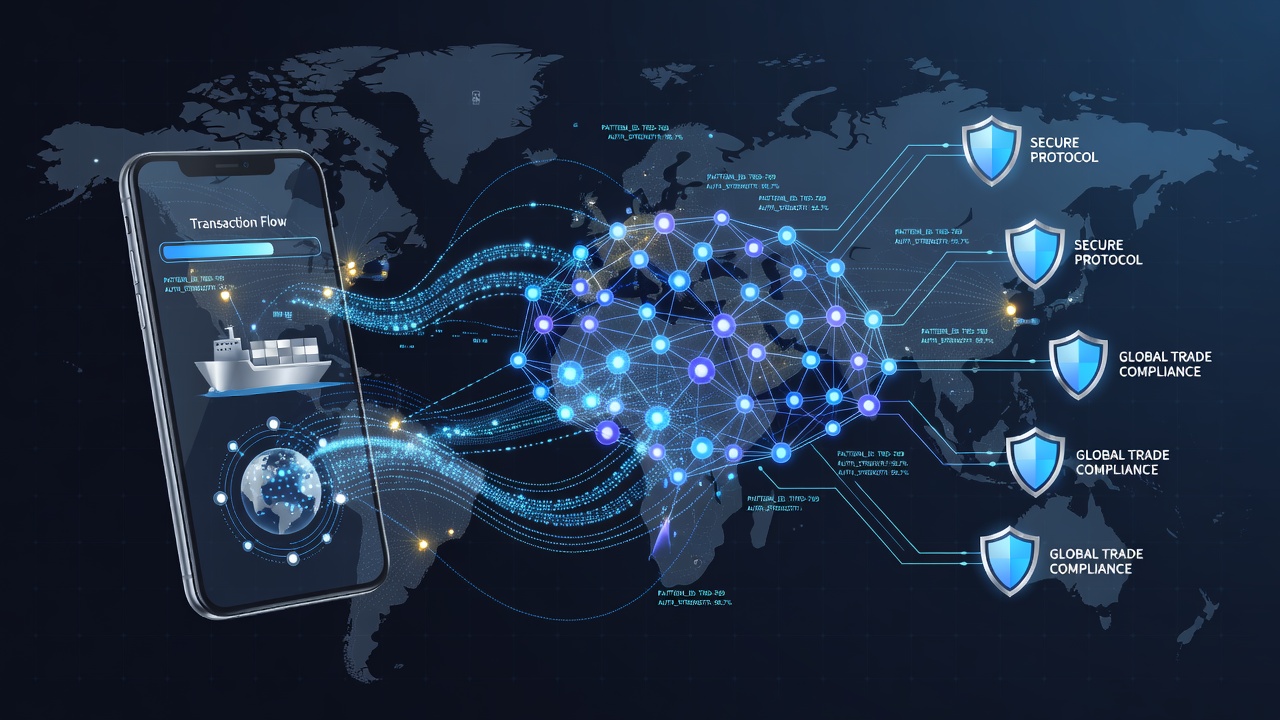
Global trade networks rely on mobile transaction flows that move goods and payments across borders every second, and algorithmic pattern recognition has emerged as a core component that refines authorization protocols by detecting behavioral sequences in user activity and device signals. These systems process data streams from smartphones, tablets, and connected logistics apps while comparing each new request against historical patterns that include location consistency, spending velocity, and network routing details. Researchers at institutions tracking cross-border payments note that such recognition layers reduce false declines and flag potential anomalies before funds transfer completes.
Mechanics of Pattern Recognition in Authorization Layers
Algorithmic models build profiles from aggregated transaction histories that encompass timestamps, device identifiers, and merchant categories, then apply statistical clustering to isolate deviations during live authorization checks. When a mobile payment request arrives in a global supply chain scenario, the system evaluates whether the current pattern aligns with established baselines for that account or entity, such as typical trade volumes between specific regions. This process operates continuously across distributed ledgers maintained by banks and clearing houses, allowing real-time adjustments without interrupting the flow of commerce. Data from regulatory bodies like the European Central Bank shows integration of these tools has supported smoother handling of high-volume mobile settlements in international logistics since the mid-2020s.
Pattern recognition also incorporates graph-based analysis that maps relationships between payers, recipients, and intermediaries in trade networks, revealing clusters that indicate legitimate versus irregular activity. For instance, a supplier in one country initiating multiple mobile authorizations to a buyer network in another triggers evaluation against seasonal trade cycles and currency fluctuation records. Observers at academic centers studying fintech applications point out that these graph models help authorization engines maintain accuracy even when mobile connections shift between cellular towers or Wi-Fi networks during shipment tracking.
Application Across Mobile Transaction Sequences
Mobile transaction flows in global trade typically begin with order placement through an app, followed by inventory confirmation and payment initiation, all while authorization protocols run in parallel to verify credentials. Algorithmic pattern recognition strengthens this sequence by monitoring incremental signals such as geolocation changes along shipping routes and correlating them with expected delivery milestones. When a pattern matches prior successful trades between the same parties, the system accelerates approval, whereas mismatches prompt additional verification steps like biometric prompts or secondary device confirmation. Studies from research groups at universities in Asia-Pacific regions indicate these layered checks have contributed to higher completion rates for mobile-enabled trade payments amid expanding e-commerce volumes.
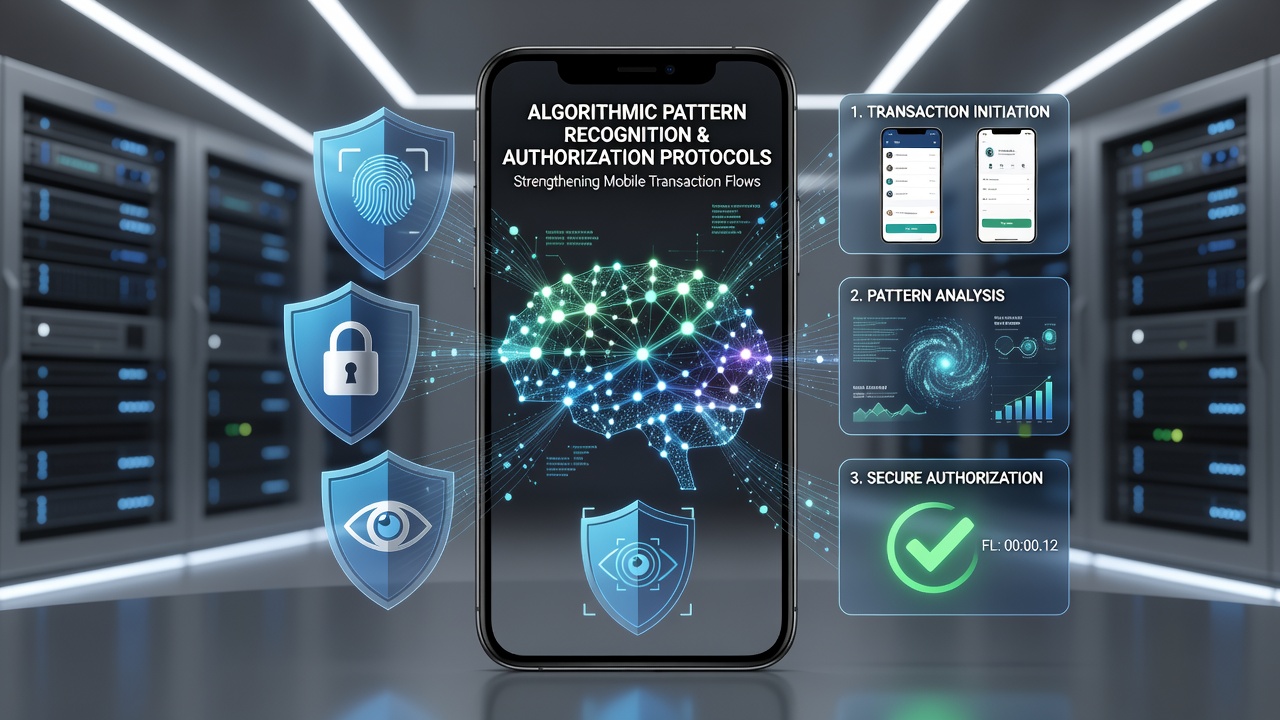
During peak periods such as the supply chain adjustments observed around November 2026, when holiday inventory movements increased across multiple continents, these algorithms adapted by weighting recent transaction clusters more heavily. This allowed authorization protocols to accommodate sudden spikes in mobile-initiated payments from freight forwarders and customs brokers without widespread delays. The approach connects device fingerprinting data with behavioral biometrics, creating composite scores that feed directly into decision engines at payment processors and financial institutions.
Role in Reducing Friction Within Global Networks
Global trade networks span diverse regulatory environments, yet pattern recognition algorithms normalize authorization outcomes by drawing on shared datasets from clearing systems and trade registries. One study coordinated through international financial research networks found that incorporating sequence analysis into mobile authorization reduced processing times for recurring supplier payments by aligning them with established trade calendars. This synchronization proves especially useful when mobile apps handle both instant confirmations and scheduled settlements in multi-vendor arrangements.
Those tracking payment infrastructure developments note that the technology also supports compliance with varying data localization rules, since pattern models can be trained on anonymized subsets that respect regional boundaries. In practice, a mobile transaction originating from a European logistics hub and destined for an African marketplace undergoes pattern matching that accounts for both local network characteristics and overarching trade agreement terms. Such capabilities maintain protocol integrity across fragmented systems while preserving the speed required for just-in-time inventory movements.
Integration with Emerging Data Sources
Recent expansions in IoT-enabled shipping containers and real-time inventory sensors provide additional inputs for pattern recognition engines, allowing authorization protocols to cross-reference physical movement data against financial requests. When a container's sensor reports a location update that matches the expected route, the linked mobile payment gains contextual support within the authorization workflow. Federal Reserve analyses of digital payment trends highlight how these fused data streams have contributed to more resilient authorization frameworks in North American trade corridors connected to Asian and European partners.
Training these models involves supervised learning on labeled datasets from past trade disputes and resolved discrepancies, refining the thresholds used during live flows. The resulting systems distinguish between routine variations, such as currency conversion adjustments, and genuine irregularities that warrant intervention. Industry reports from bodies focused on payments infrastructure confirm ongoing refinement of these models to handle increasing mobile adoption in emerging trade routes.
Conclusion
Algorithmic pattern recognition continues to embed deeper into authorization protocols that govern mobile transaction flows throughout global trade networks, driven by the need for precise, context-aware decision making. The combination of historical profiling, graph analysis, and sensor integration creates layered defenses that adapt to evolving transaction volumes and regulatory landscapes. As mobile devices handle growing shares of cross-border settlements, these recognition capabilities remain central to maintaining both security and operational continuity across interconnected commerce systems.