Seasonal Sales Spikes and Adaptive Risk Models in Holiday Marketplaces with Integrated Invoicing Tools
Ben Braun · Aug 8, 2026

Seasonal Sales Spikes and Adaptive Risk Models in Holiday Marketplaces with Integrated Invoicing Tools
Marketplaces see transaction volumes climb sharply during holiday seasons, and adaptive risk models adjust parameters in real time to keep authorization rates stable while invoicing tools handle billing across multiple vendors. Data from the Federal Reserve indicates that e-commerce activity rises between 25 and 40 percent in the final quarter each year, with similar patterns repeating across regions and platforms.
Patterns of Demand During Peak Periods
Retail platforms record the highest order counts from November through January, yet preparation often begins in August when inventory systems and payment processors start testing capacity. Observers note that marketplaces integrate invoicing automation early so that merchants can issue accurate bills even as order flows accelerate, and this timing allows risk engines to calibrate thresholds before the first major surge arrives.
Studies from Payments Canada reveal that cross-border purchases increase by roughly 30 percent during these windows, which places additional strain on verification layers. Adaptive models respond by weighting factors such as device fingerprinting, velocity patterns, and historical merchant behavior, and they do so without interrupting the checkout sequence.
How Adaptive Risk Models Operate
These systems update scoring rules dynamically as new transaction data arrives, and they reduce false declines that would otherwise remove legitimate buyers from the funnel. Research published by the European Central Bank shows that platforms using machine-learning risk layers maintain authorization success rates above 92 percent during holiday peaks, compared with lower figures when static rules remain in place.
Merchants connect their invoicing modules directly to the risk layer so that each generated invoice carries an associated risk score. When an order triggers elevated signals, the model can request additional authentication or route the transaction through a secondary review queue, and the invoicing tool still records the event for later reconciliation.
Integration Points Between Risk Engines and Invoicing
Platform architectures link the risk service to invoicing APIs through standardized endpoints, which means any change in fraud probability updates the invoice status automatically. This connection supports marketplaces that serve thousands of vendors, because each vendor receives payout data that already accounts for held or flagged transactions.
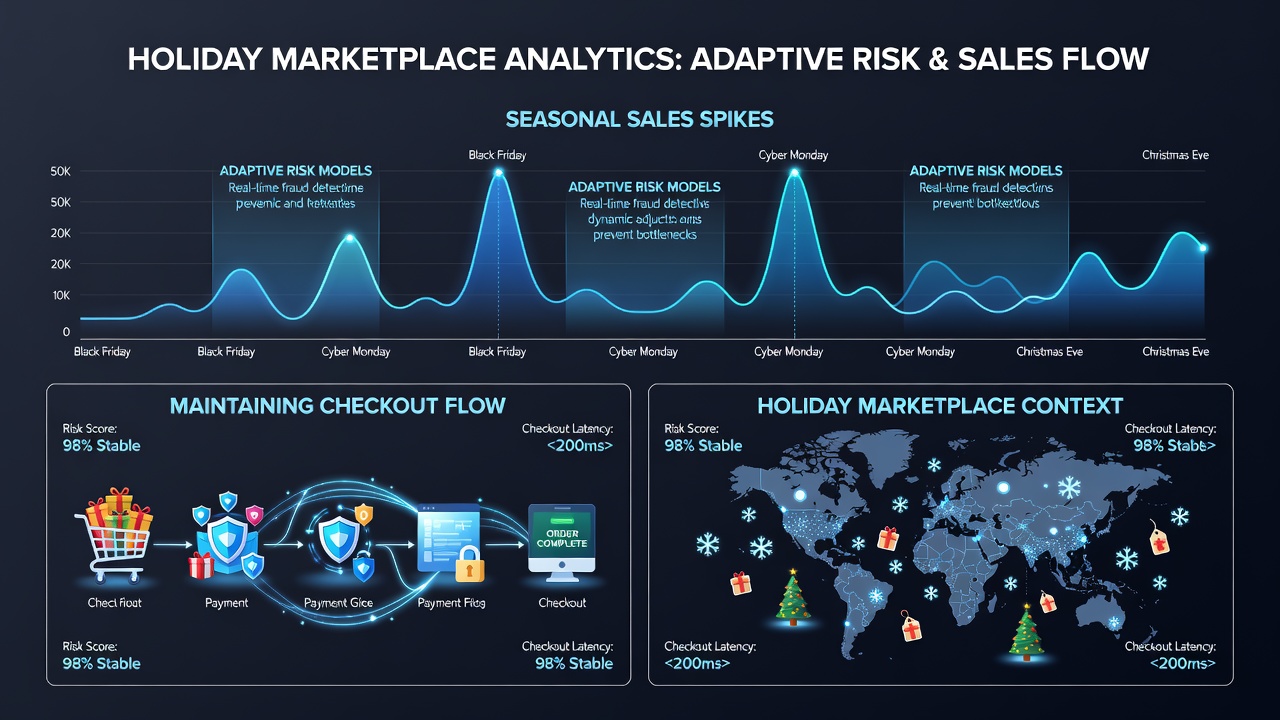
One analysis from the Reserve Bank of Australia found that integrated setups cut manual reconciliation time by nearly half during high-volume weeks. The same study noted that vendors using these combined tools reported fewer disputes over delayed payments, since the system logs every risk decision alongside the invoice record.
Operational Adjustments in August 2026
Teams preparing for the 2026 holiday cycle began scaling model training sets in August, incorporating transaction patterns from the previous two seasons. They adjusted weightings for mobile wallet usage and buy-now-pay-later options, both of which continue to grow as payment methods. The updated parameters feed directly into the invoicing layer so that merchants receive real-time alerts when an order requires manual review or when an invoice needs reissuance after a declined authorization.
Industry reports from the Bank for International Settlements confirm that platforms running these synchronized systems experience fewer checkout abandonments, because the risk decision occurs within the same session that generates the invoice. Vendors therefore maintain visibility into cash-flow projections even when volumes fluctuate rapidly.
Examples from Marketplace Implementations
Large multi-vendor sites apply adaptive scoring at the point of checkout and again when the invoicing engine batches daily settlements. In one documented rollout, a platform handling seasonal electronics sales reduced chargeback rates by 18 percent after linking its risk model to automated invoice validation. The change allowed the system to flag high-risk orders before funds moved, while still processing the majority of transactions without added friction.
Smaller marketplaces follow similar patterns at lower scale, using cloud-based risk services that update hourly. These services push revised rules to the invoicing component so that merchants in different time zones receive consistent data regardless of when orders arrive.
Conclusion
Seasonal sales spikes place measurable pressure on checkout infrastructure, yet adaptive risk models combined with integrated invoicing tools keep authorization flows intact and provide merchants with accurate billing records. Figures from central banks and payment networks show that synchronized systems sustain performance across repeated peak periods, and marketplaces continue to refine these connections ahead of each holiday cycle.