Temporary Retail Operators Balance Physical Card Transactions and Recurring Digital Charges via Encrypted Platforms
Finley Schröder · Oct 15, 2026
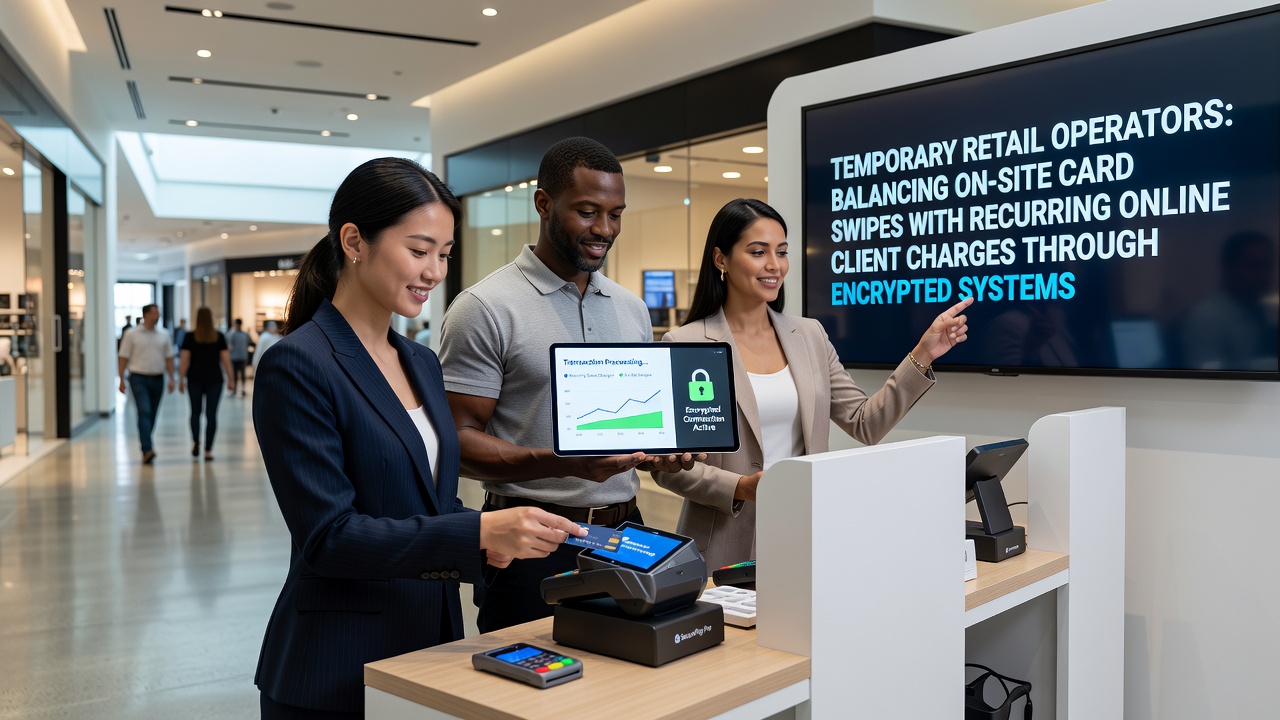
Temporary Retail Operators Balance Physical Card Transactions and Recurring Digital Charges via Encrypted Platforms
Temporary retail operators often run pop-up locations at markets, festivals, and seasonal venues while maintaining recurring charges for online clients who subscribe to products or services, and these businesses rely on integrated systems that handle both in-person card swipes and scheduled digital payments through layered encryption protocols.
Operators process physical transactions at temporary sites using portable terminals that capture card data in real time, then route the information through secure gateways that apply the same encryption standards employed for recurring online billing cycles, which reduces the need for separate infrastructure and helps maintain consistent security measures across channels.
Integration of On-Site and Online Payment Flows
Many temporary operators coordinate their physical point-of-sale devices with cloud-based platforms that manage recurring charges, allowing a single customer database to track both one-time swipes at events and automated monthly deductions for ongoing orders, and this approach streamlines record keeping while encryption protects cardholder details during transmission and storage.
Research from the European Central Bank shows that payment volumes involving hybrid retail models increased steadily through 2025, with operators in the European Union adopting tokenization techniques to replace sensitive card numbers with unique identifiers that work for both in-person authorizations and recurring online requests. Data indicates these methods lower exposure risks when vendors move between temporary locations and digital storefronts.
Encryption Standards Supporting Dual Transaction Types
Encryption protocols approved under PCI DSS requirements apply to card data captured at pop-up sites as well as information processed through recurring billing engines, and temporary operators frequently deploy end-to-end encryption on mobile terminals that communicate with servers using TLS 1.3 or higher to secure both transaction streams.
Observers note that businesses operating at outdoor events in October 2026 continue to use hardware security modules to store encryption keys separately from transaction logs, which supports compliance when the same customer accounts generate charges from on-site swipes one week and automated online renewals the next.
Operational Examples Across Regions
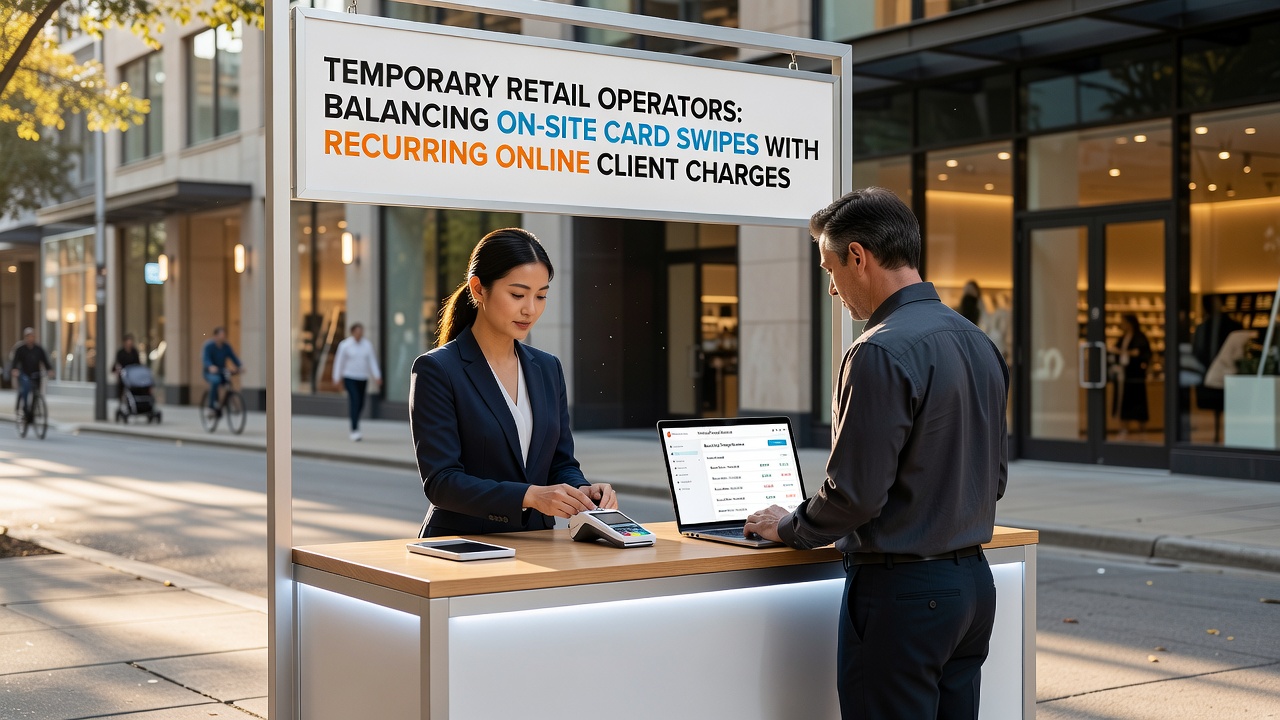
One seasonal vendor network in Australia combines portable card readers at weekend markets with recurring subscription software that bills clients for monthly produce boxes, and the platform applies the same AES-256 encryption to data from both sources according to guidelines issued by the Australian Payments Network. This setup allows operators to reconcile daily swipe totals with scheduled online payments through a unified dashboard without maintaining duplicate security systems.
Similar patterns appear among short-term retailers in Canada, where Bank of Canada payment statistics reveal rising adoption of unified gateways that handle event-based transactions alongside recurring client charges, and vendors report fewer reconciliation errors when encryption layers remain consistent across physical and digital channels.
Compliance and Data Handling Practices
Temporary operators must address PCI DSS validation requirements that cover both card-present and card-not-present transactions, and many engage third-party assessors to review how encryption protects data captured at temporary sites before it merges with recurring billing records stored in encrypted databases.
Figures from industry reports indicate that operators who segment their networks to isolate temporary POS terminals from recurring payment servers experience fewer access-related incidents, while tokenization further reduces the volume of actual card data retained after initial processing of either transaction type.
Conclusion
Temporary retail operators continue to rely on encrypted systems that unify on-site card swipes with recurring online charges, and these integrated approaches support compliance, reduce infrastructure duplication, and maintain consistent security across physical and digital operations as of October 2026.