Tracing Inventory Sync Delays and Their Ripple Effects on Authorization Outcomes Across Omnichannel Retail Networks
Jakob Klein · Aug 13, 2026
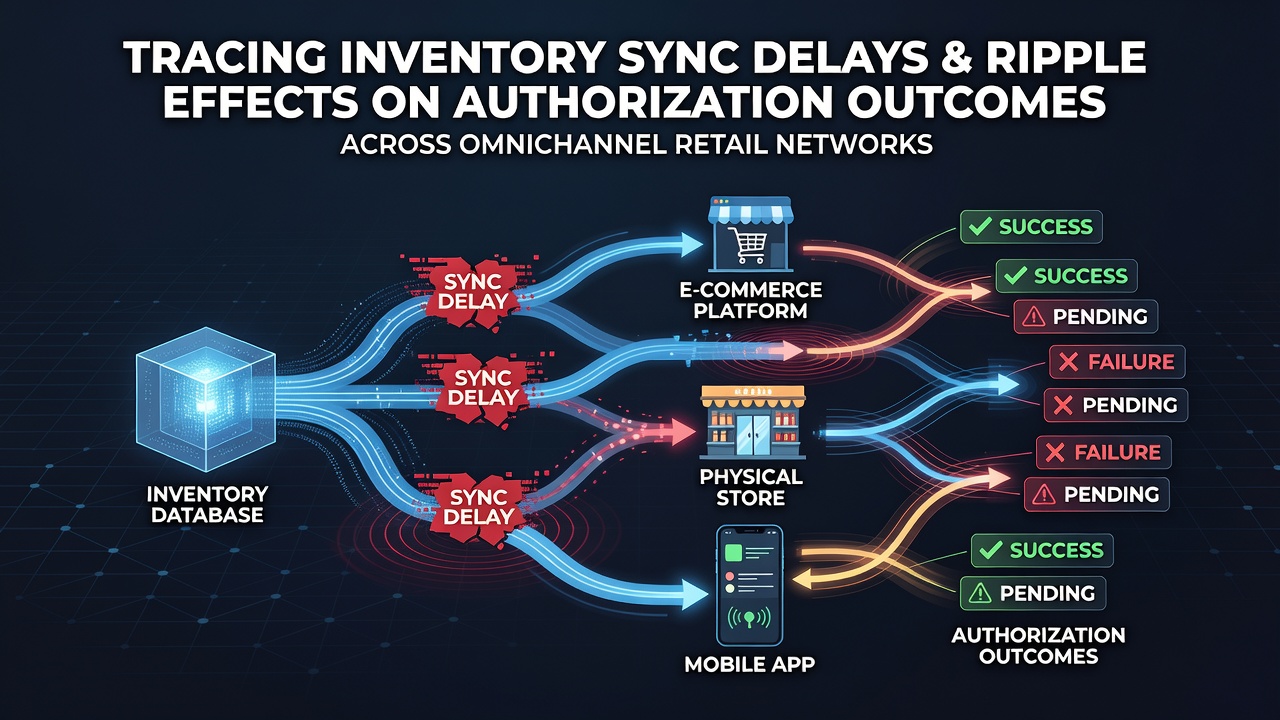
Tracing Inventory Sync Delays and Their Ripple Effects on Authorization Outcomes Across Omnichannel Retail Networks
Omnichannel retail networks rely on real-time inventory synchronization to maintain accurate stock levels across physical stores, warehouses, and digital platforms, and delays in these processes create measurable impacts on payment authorization systems that depend on current availability data for risk assessment and order validation. Retail operators have documented cases where sync lags between central databases and point-of-sale terminals lead to discrepancies that influence how transaction processors evaluate orders for approval or decline.
Core Mechanisms Behind Inventory Synchronization in Retail Networks
Systems pull data from multiple sources including supplier feeds, in-store scanners, and e-commerce platforms to update stock counts every few minutes or hours depending on configuration, yet network congestion, batch processing schedules, and API mismatches often extend these intervals beyond intended windows. According to reports from the National Retail Federation, major chains experienced average sync intervals stretching to 45 minutes during peak periods in 2025, which carried into patterns observed through August 2026 when holiday planning cycles intensified data loads.
These intervals matter because authorization engines at payment gateways frequently cross-reference inventory status as one signal among others when scoring transactions for potential fraud or fulfillment risk, and outdated stock figures can shift those scores enough to alter approval rates. Data from the European Central Bank shows that retail sectors using unified inventory platforms recorded authorization success rates 3.2 percentage points higher than those operating with fragmented sync protocols during comparable quarterly reviews.
How Sync Delays Alter Authorization Decision Pathways
When inventory records lag behind actual movements, an item listed as available may already be reserved or sold through another channel, prompting the authorization layer to proceed with a transaction that later encounters fulfillment blocks. Observers note that such mismatches trigger secondary reviews at the processor level, where algorithms flag orders for manual checks or automatic declines if the system detects inconsistencies with expected demand patterns. Research from Statistics Canada indicates that retailers with sync delays exceeding 30 minutes saw a 7 percent rise in authorization reversals during the first half of 2026 compared with prior baselines.
Take one distribution center in a North American network that feeds both brick-and-mortar locations and online orders; a delay in updating a high-velocity SKU can cascade into multiple declined cards within minutes because the risk model interprets repeated attempts on unavailable stock as testing behavior. Payment processors have adjusted their models accordingly, incorporating sync timestamps as an additional variable in real-time scoring to reduce false positives.
Documented Ripple Effects Across Authorization Outcomes
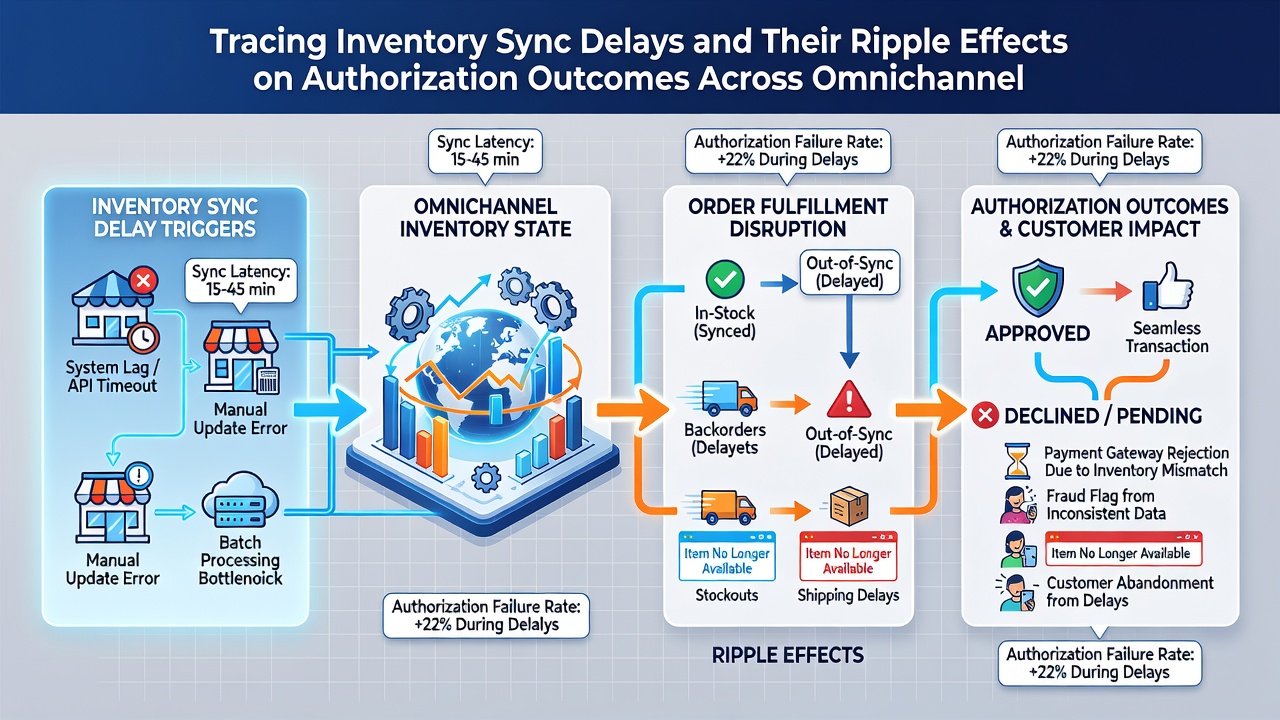
Downstream effects include elevated cart abandonment when customers receive unexpected declines at checkout, followed by increased chargeback volumes once orders that cleared authorization fail to ship. Figures released by the Australian Bureau of Statistics reveal that omnichannel operators reporting sync-related authorization issues logged a 12 percent uptick in customer support tickets tied to payment failures between March and August 2026.
Retailers have responded by deploying middleware that prioritizes inventory updates for fast-moving items during high-traffic windows, which in turn stabilizes the data points fed into authorization engines. One study from the University of Melbourne tracked a pilot program across 180 stores and found that tightening sync cycles to under 10 minutes correlated with a 4.8 percent improvement in first-pass authorization rates for cross-channel orders. Those improvements held steady even as overall transaction volumes rose during seasonal peaks.
Additional layers appear when multi-vendor marketplaces integrate third-party inventory feeds, because each external connection introduces its own latency variables that compound inside the central ledger. Processors then apply stricter velocity checks or region-based rules when inventory signals appear unreliable, which further differentiates outcomes between domestic and international transactions.
Operational Adjustments Observed in 2026 Retail Environments
Networks have begun embedding sync health metrics directly into their payment routing logic so that transactions from channels with fresher inventory data receive priority routing to lower-risk acquirers. This approach reduces the volume of orders reaching manual review queues and keeps approval timelines closer to sub-second benchmarks that customers expect. Industry reports compiled by the Retail Council of Canada highlight similar implementations among mid-sized chains that achieved measurable reductions in authorization friction after aligning sync schedules with peak sales hours.
Yet the same reports note persistent challenges during system upgrades or when legacy point-of-sale hardware cannot support continuous polling, leaving gaps that affect authorization consistency across the network. Retailers continue to test predictive algorithms that forecast inventory drift based on historical sales velocity and proactively adjust risk thresholds before actual sync failures occur.
Conclusion
Inventory synchronization delays produce traceable effects on authorization outcomes because they introduce variability into the data sets that payment processors use for real-time decisioning, and retail networks have responded with targeted technical adjustments that tie sync frequency to transaction routing priorities. Data collected through August 2026 demonstrates consistent patterns across regions where tighter integration between inventory platforms and authorization systems yields higher approval consistency and fewer downstream fulfillment issues. Continued monitoring of these linkages will determine how future infrastructure investments reshape the balance between stock accuracy and payment flow reliability in expanding omnichannel operations.