When Encrypted Receipt Feeds Power Automated Supplier Reorder Triggers Across Boutique Retail Networks
Ben Braun · Aug 20, 2026
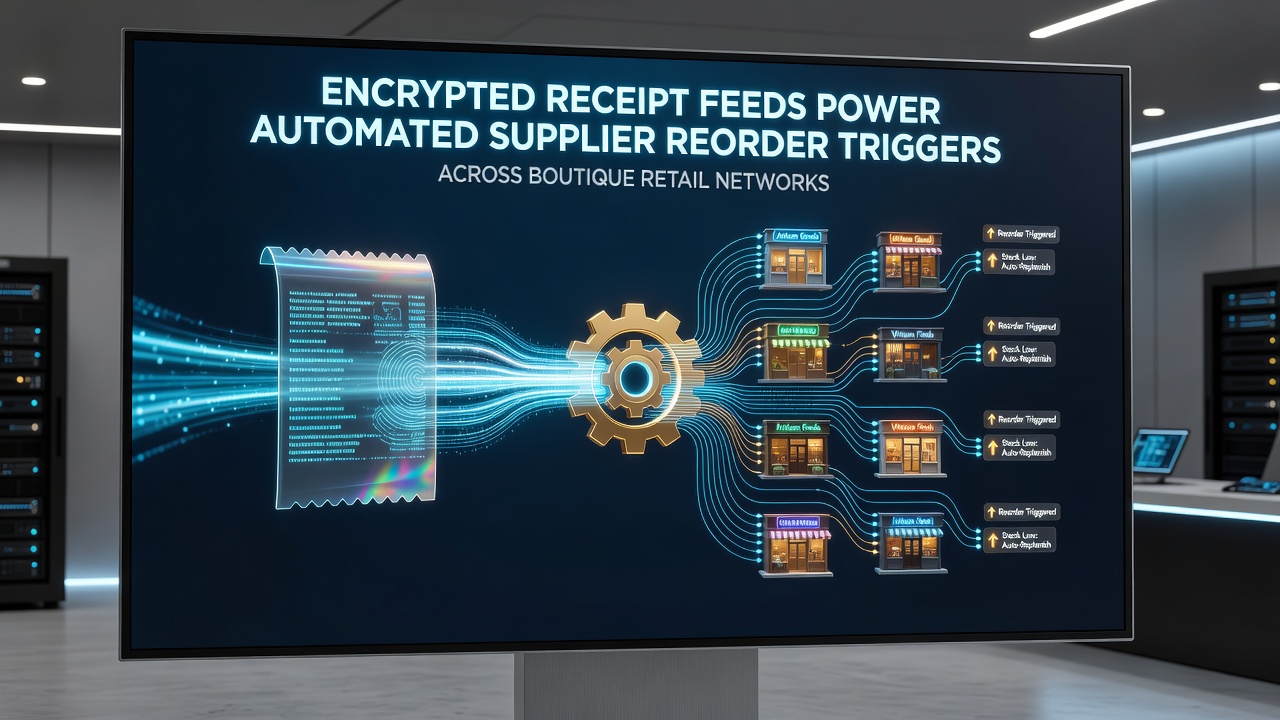
When Encrypted Receipt Feeds Power Automated Supplier Reorder Triggers Across Boutique Retail Networks
Encrypted receipt feeds transmit transaction details from point-of-sale terminals directly into supplier management platforms where algorithms monitor inventory thresholds and generate reorder signals without manual intervention, and this process relies on end-to-end encryption standards that protect cardholder data while enabling real-time stock updates across multiple boutique locations.
Mechanics Behind Receipt Data Encryption and Transmission
Boutique retailers integrate receipt feeds with supplier portals through secure APIs that convert each completed sale into an encrypted payload containing item identifiers, quantities sold, and timestamp information, while the encryption layer uses protocols compliant with established payment security frameworks so that data remains protected during transit between store networks and central warehouses. Observers note that once a receipt reaches the supplier system the payload decrypts only within authorized environments, triggering conditional logic that compares remaining stock against predefined reorder points and initiates purchase orders automatically when thresholds drop below set levels.
Systems operators configure these triggers based on historical sales velocity and seasonal patterns, and the encrypted nature of the feed prevents interception or tampering that could otherwise disrupt supply chain accuracy, yet the automation still requires periodic validation checks to confirm that generated orders align with actual demand signals from individual store locations.
Automation Triggers Across Distributed Retail Networks
Smaller retail chains benefit when encrypted receipt data powers reorder logic because each boutique maintains independent inventory records that feed into a shared supplier dashboard, allowing a single trigger event from one location to influence broader procurement decisions without exposing raw sales figures to unauthorized parties. Data shows that this approach reduces stockout incidents by synchronizing reorder timing with actual consumption rates, and suppliers receive encrypted summaries rather than full transaction histories so that sensitive customer details stay isolated from external systems.
Network administrators set parameters such as minimum order quantities and preferred delivery windows, while the automated sequence handles restocking notifications, invoice generation, and payment authorization steps in sequence, and this workflow operates continuously across time zones because the encrypted feed arrives regardless of local operating hours at each boutique.
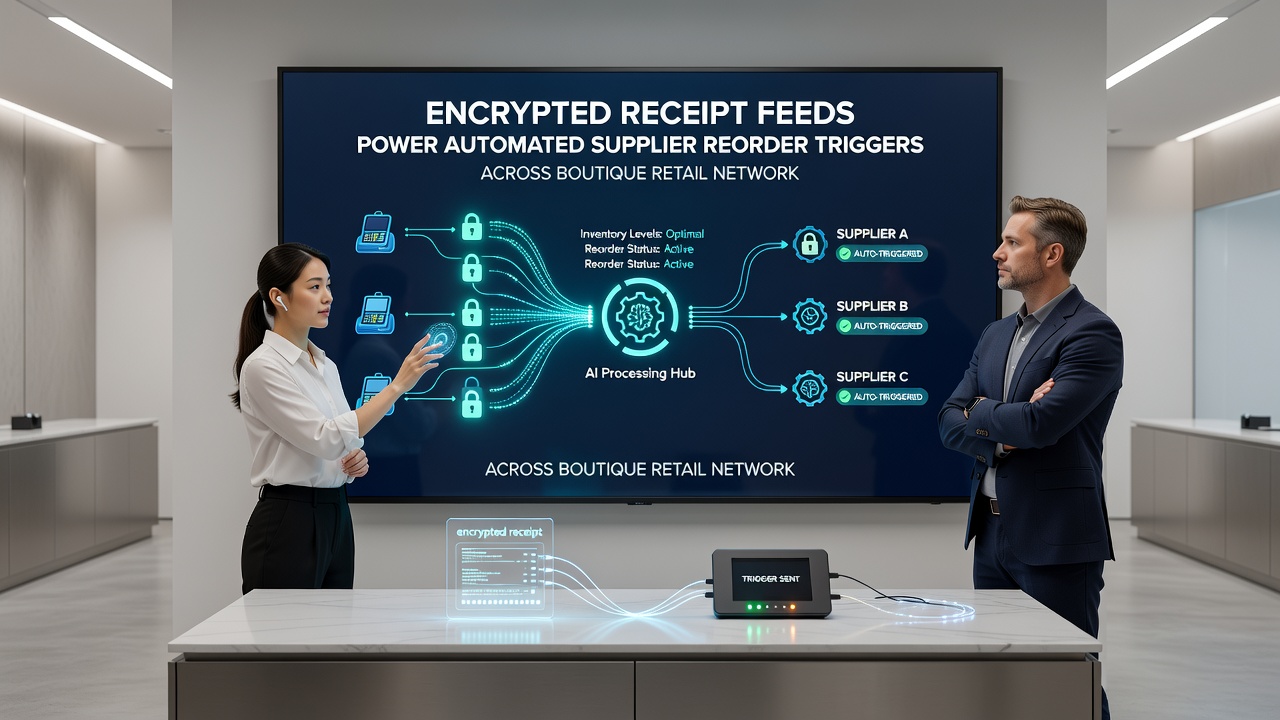
Security Considerations in Encrypted Retail Feeds
Encryption standards applied to receipt data follow guidelines established by organizations such as NIST that specify key management and cipher selection for financial transactions, and these measures ensure that reorder triggers activate only after successful authentication at both the retailer and supplier ends. Retail networks report fewer data exposure incidents when feeds remain encrypted end-to-end, because intercepted packets yield no usable information without the corresponding decryption keys that rotate on scheduled intervals.
Compliance audits conducted in August 2026 highlighted continued adoption of these protocols among boutique operators seeking to meet evolving data protection requirements across North American and European markets, while the same audits noted that automated reorder systems reduce human error points that previously led to mismatched inventory counts or delayed supplier communications.
Implementation Patterns in Boutique Retail Groups
Independent store owners participating in shared supplier agreements configure their receipt systems to emit encrypted updates at the close of each business day or on a rolling basis, and the resulting data stream supports predictive modeling that anticipates future demand across the entire network rather than at isolated locations. Suppliers gain visibility into aggregate movement patterns without accessing store-specific customer records, which allows them to adjust production schedules accordingly while maintaining separation between operational data and personal information.
Case examples from regional retail associations demonstrate that boutiques using this integrated approach experience steadier cash flow because reorder timing aligns more closely with actual depletion rates, and the encryption layer also supports audit trails that document every automated trigger event for later review by financial controllers or regulatory bodies.
Regulatory Context and Adoption Trends Through 2026
Standards bodies in Canada and Australia have issued updated guidance on secure data exchange for retail supply chains that emphasize encrypted feeds as a baseline requirement for automated systems, and boutique networks adapting to these expectations report smoother onboarding of new supplier relationships because the technical safeguards are already in place. Figures from industry reports indicate measurable reductions in manual ordering errors once encrypted receipt triggers replace spreadsheet-based processes, while the same reports track continued investment in API security features that protect the reorder logic itself from external interference.
Operators continue to refine threshold settings based on multi-month sales data collected through the encrypted channels, and this iterative adjustment process supports both short-term restocking accuracy and longer-term supplier contract negotiations that reference verified consumption volumes.
Conclusion
Encrypted receipt feeds now serve as the foundation for automated supplier reorder mechanisms that operate across boutique retail networks, delivering protected transaction data that triggers precise inventory replenishment while meeting security and compliance expectations established through 2026. The integration reduces manual workload for store staff and suppliers alike by converting each sale into an actionable signal that flows securely between systems, and ongoing refinements to encryption protocols and trigger logic continue to support reliable supply chain coordination in this segment of the retail sector.